
Mold-Resistant Silicone Sealant Factory Advantages for Long-Lasting Protection in Damp Areas
2026-11-11
You know the pattern: a fresh bead of sealant around the tub turns gray and peels within months. Mold finds the micro-cracks and makes itself at home. That constant re-sealing cycle is not just annoying—it’s a sign the sealant was never built for damp reality. At Baolongda Group, we approach mold resistance from the factory floor up. The advantages we’re about to break down are the reason our silicone holds the line in bathrooms, basements, and other humid zones for the long haul.
What Actually Makes the Sealant Resist Mold Instead of Just Masking It
Real mold resistance doesn't come from a surface coating that can be scrubbed away or degraded by cleaning products. In a properly formulated sealant, active antimicrobial compounds are blended directly into the polymer matrix before curing. These agents—often based on zinc pyrithione, silver ions, or specific isothiazolinones—are evenly dispersed through the entire bead, not just painted on top. That means when the exposed surface is worn down by moisture, abrasion, or repeated cleaning, fresh fungicidal material is still present underneath to keep working.
Another factor is how the cured sealant manages water. A sealant that only masks mold might look fine initially but develops micro-cracks or loses adhesion after months of expansion and contraction. Those tiny gaps trap water, creating exactly the damp, dark conditions mold needs. A genuinely mold-resistant sealant stays flexible, adheres tightly to the substrate, and resists tearing, so moisture can't pool inside or behind the bead. Without that sustained dampness, spores that land on the surface never get the chance to germinate and spread.
There's also the question of what the sealant itself is made of. Many conventional products contain organic plasticizers or fillers that can actually serve as a food source for fungi. Mold-resistant formulations replace those ingredients with inert materials or combine them with additives that disrupt fungal cell membranes and prevent spore adhesion. This isn't about hiding discoloration under a fresh layer of paint—it's about creating a cured material that denies mold both the moisture and the nutrients it requires to survive.
Factory-Level Controls That Prevent Premature Failure in Wet Zones
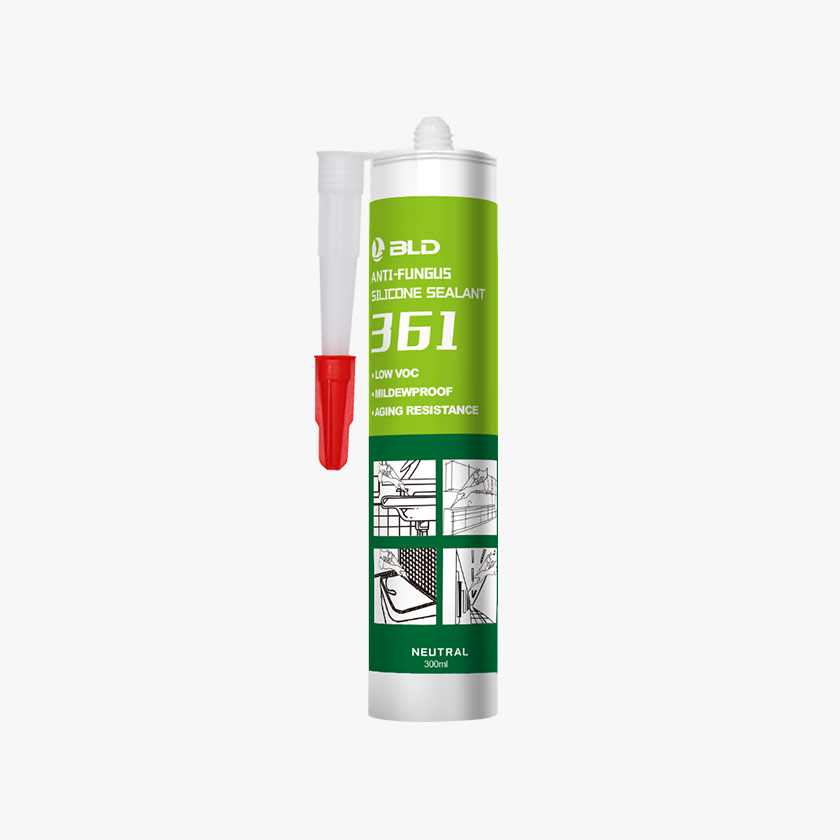
At the manufacturing stage, preventing premature failure in wet zones begins with rigorous material selection and incoming inspection. Each batch of sealants, adhesives, and corrosion-resistant coatings is verified against stringent moisture-absorption and adhesion specifications before entering production. Fasteners and metallic components are sourced with specified plating thicknesses and tested for salt-spray resistance, ensuring they can withstand prolonged humidity without compromising structural integrity.
Subassembly processes incorporate controlled-environment bonding and curing steps. Critical joints are assembled in humidity-monitored cleanrooms where relative humidity is kept below 30% to prevent moisture entrapment between mating surfaces. Automated dispensing systems apply sealants with precise bead profiles and continuous vision inspection confirms coverage, eliminating voids that could act as water ingress paths. Additionally, each sealed unit undergoes a pressurized air-decay test to detect micro-leaks before final assembly.
Final product validation includes accelerated life testing under cyclical wet-dry conditions, simulating years of exposure within weeks. Only units that pass these tests without delamination, corrosion, or electrical degradation are released, providing a factory-level guarantee that wet-zone components will perform reliably over the product's intended lifespan.
Adhesion and Flexibility Under Constant Humidity and Steam
Maintaining reliable adhesion under constant humidity and steam demands more than water resistance on a datasheet. Continuous exposure sets off a slow chain of physical and chemical changes: moisture migrates into the interface, softens polar segments, and can gradually replace the mechanical interlocking that gives a bond its initial strength. For many polymer systems, steam adds thermal energy on top of that moisture load, accelerating hydrolysis and swelling at the very point where the adhesive meets the substrate.
Flexibility is often the first property to fade in these conditions. A material that stays supple at ambient humidity may turn brittle or overly soft as absorbed water acts as an internal plasticizer, shifting glass transition and reducing cohesive strength. The practical result is a familiar failure pattern: edges lift, micro-cracks open, and the bond line begins to channel moisture deeper into the assembly. Designing for this environment means choosing formulations that recover their shape after repeated wet-dry cycles and retain elongation even when saturated, rather than relying on high initial peel values alone.
Batch-to-Batch Consistency for Predictable Performance in Damp Rooms
In damp rooms, where humidity swings and moisture exposure are constant, the last thing you want is a material that performs differently from one delivery to the next. That's why we hold every production run to the same narrow tolerances for curing time, adhesion strength, and moisture resistance. Raw material suppliers are vetted and re-tested on a set schedule, and each batch is sampled before it leaves the plant. The result is a product that behaves the way you expect it to, whether it's applied in a basement bathroom or a high-traffic spa.
This consistency doesn't happen by accident. Production records are linked to batch numbers, and retained samples from each run are stored for up to two years. If a question ever comes up on site, we can pull the exact batch's test data and compare it to the reference standard. That level of traceability takes the guesswork out of specifying and installing in moisture-prone areas.
For installers and facility managers, predictable batch-to-batch behavior means fewer callbacks and simpler maintenance planning. When every pail or roll handles the same way, training stays relevant, mixing ratios stay reliable, and long-term performance doesn't hinge on which batch happened to arrive that week.
Surviving Kitchens, Showers, and Basements Without Surface Deterioration
Kitchens, showers, and basements are the heavyweight champions of wear and tear. Splattered grease, constant humidity, and occasional flooding can chew through ordinary finishes in a matter of months. The real trick isn't just picking a tough material—it's understanding how each space attacks surfaces differently. A kitchen backsplash faces acidic tomato sauce and abrasive scrub pads, while a shower surround lives in a near-permanent steam bath. Basements throw a wildcard: groundwater seepage and condensation that can creep behind tiles and under epoxy coatings long before you notice the damage.
The solution often lies in designing for failure points rather than chasing a single miracle product. In showers, that means waterproofing the entire wet area before a single tile goes up, using a bonded sheet membrane instead of relying on cement board and hope. Kitchens benefit from surfaces with low porosity and high chemical resistance—think large-format porcelain slabs with epoxy grout, not tiny ceramic tiles with cementitious grout that stains if you blink. For basements, skip organic materials entirely. Polished concrete with a moisture-vapor barrier underneath handles both hydrostatic pressure and everyday scuffs, while metal studs and foam insulation prevent the mold buffet that drywall invites.
Maintenance habits matter just as much as initial choices. A shower that never gets squeegeed will eventually develop soap scum that etches even glass. A basement floor with standing water from a forgotten dehumidifier overflow will delaminate most coatings. The goal is to match your cleaning routine to the surface's weakness—use pH-neutral cleaners on stone, avoid bleach on epoxy grout, and keep basement humidity below 50% year-round. Small, consistent habits extend surface life far more than any high-tech sealer applied once and forgotten.
Long-Term Savings Through Fewer Repairs and Less Frequent Replacement
Most people only look at the sticker price when comparing options, but that number rarely tells the whole story. A unit that costs a bit more upfront yet uses sturdier internal components tends to stay out of the repair shop for years. Those avoided service calls—complete with diagnostic fees, parts markups, and half-day waiting windows—add up faster than most budgets expect. Over a five-year span, the difference between a well-built piece of equipment and a bargain alternative can easily reach four figures.
There's also the matter of downtime. Every time something breaks, it's not just the repair bill; it's the missed appointments, the delayed projects, or the temporary workarounds that eat into your schedule. Choosing a product designed with longevity in mind means those interruptions become rare events instead of seasonal headaches. The real saving isn't only the money you don't hand to a technician—it's the hours you never have to rearrange.
And then there's the replacement cycle itself. When a cheaper item wears out every two or three years, you end up paying the purchase price again and again, not to mention the time spent researching, shopping, and learning the quirks of a new model. A higher-quality alternative that lasts a decade might cost double initially, but the yearly cost of ownership often ends up lower. In the long run, fewer replacements mean less waste, fewer decisions, and a lot more predictability in your budget.
FAQ
A dedicated factory builds its entire mixing and curing process around anti-fungal performance, so the additives are dispersed evenly and tested under humid conditions instead of being an afterthought.
These facilities often use closed-loop mixing, controlled humidity chambers, and batch-specific fungal challenge tests, which keep the sealant's protective properties consistent from one order to the next.
They typically run accelerated aging tests that simulate constant moisture, warm temperatures, and organic residue exposure, then adjust the biocide package or cure chemistry until the cured sealant resists fungal growth over extended cycles.
Yes, factories can adjust modulus, cure speed, color, and the type of anti-fungal system based on whether the sealant faces occasional steam or daily chemical cleaning and high-pressure water.
Beyond standard adhesion and elasticity checks, dedicated factories sample each batch onto porous substrates, expose them to common mold spores, and inspect for discoloration or surface growth before release.
Working directly often means shorter lead times, access to technical data on humidity resistance, and the ability to request custom packaging or private-label options without losing batch traceability.
Shower enclosures, kitchen backsplashes, laundry rooms, pool surrounds, and food-processing joints all gain because the sealant stays flexible while actively suppressing the dark staining and odor linked to trapped moisture.
Conclusion
A mold-resistant silicone sealant earns that label at the mixing stage, not through a topical coating that washes away. In a properly controlled factory, antifungal agents are dispersed evenly into the uncured silicone base and locked into the polymer network as it cures. This means the active protection sits throughout the bead, stopping spores from germinating instead of just hiding surface staining. Production lines that pull vacuum during blending and filter out moisture prevent tiny air pockets and weak spots where mold would otherwise take hold. The same factory discipline shows up in adhesion and flexibility: cured samples are stretched and flexed inside humidity chambers that mimic a steamy shower or a boiling pasta kitchen, and the sealant must keep its grip on tile, glass, and painted drywall without tearing or peeling. Batch records track raw material lots, catalyst levels, and cure speed, so a cartridge bought today performs like the one tested six months ago.
That consistency becomes the real advantage in basements, shower enclosures, and sink lines. Factory-made mold-resistant silicone resists hydrolysis and stays non-porous, so soap scum and mildew wipe off instead of forming a sticky biofilm. Movement from settling or temperature swings is absorbed by the elastic joint rather than cracking open a path for water. Over time, the savings stack up: one properly applied bead can last a decade or more, avoiding the cycle of scraping out failed caulk, bleaching hidden mold, and recaulking every two years. For contractors and homeowners alike, the lower lifetime cost and fewer repair visits make a controlled, batch-tested sealant the straightforward choice for damp areas that never really dry out.
Contact Us
Contact Person: Charles
Email: [email protected]
Tel/WhatsApp: +86-0536-3350888
Website: https://www.baolongda.com/